
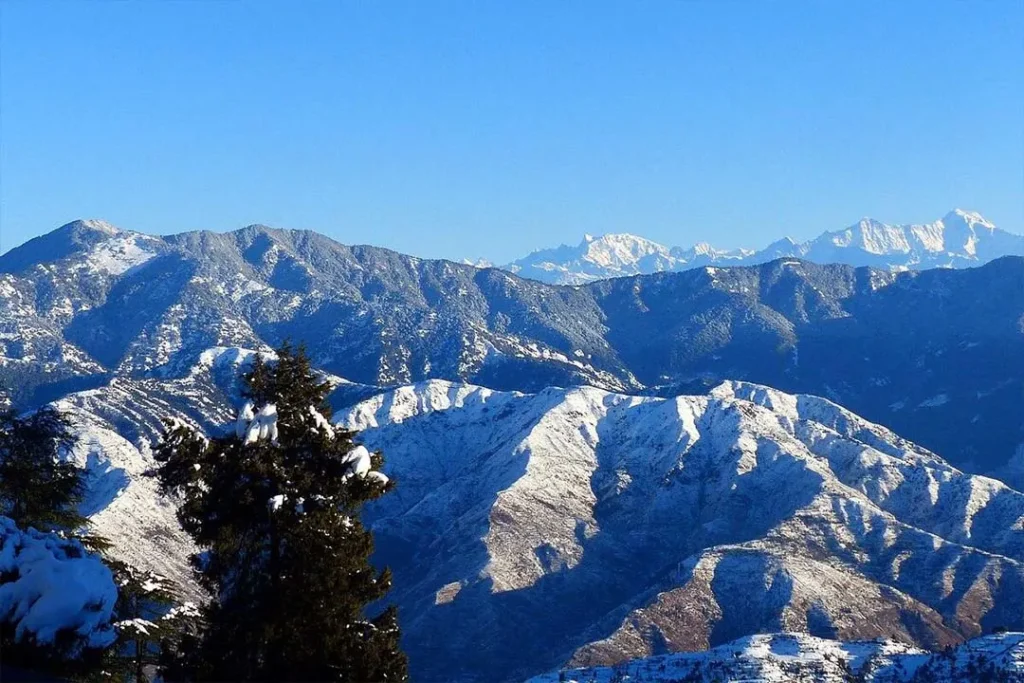
Nag Tibba is one of the most popular weekend treks in Uttarakhand and is often recommended to first-time trekkers. Located near Mussoorie, it offers stunning views of snow-covered Himalayan peaks, dense forests, and peaceful mountain villages. However, many travelers ask the same question before planning their trip. How difficult is the Nag Tibba trek? This guide explains the difficulty level, total distance, terrain conditions, and who this trek is best suited for.
Overview of the Nag Tibba Trek
Nag Tibba, which means Serpent Peak, is the highest peak in the Nag Tibba range of the Garhwal Himalayas. The trek reaches an altitude of around 9915 feet above sea level, making it a low-altitude Himalayan trek. It is ideal for people who want to experience trekking without committing to long or technically challenging routes.
The trek usually starts from Pantwari village, which is accessible from Dehradun or Mussoorie. Most trekkers complete the trek in two days, although some choose a more relaxed three-day itinerary.
Total Distance of the Nag Tibba Trek
The total trekking distance of Nag Tibba is approximately sixteen kilometers for a round trip. From Pantwari village to the Nag Tibba base camp, the distance is about five kilometers. The next day, trekkers cover around three kilometers to reach the summit and then descend back to Pantwari.
Although the distance may seem short compared to longer Himalayan treks, the uphill climb and changing terrain can make the trek feel moderately challenging for beginners. The daily walking time ranges from four to six hours, depending on pace, weather, and fitness level.
Altitude and Its Impact on Difficulty
Nag Tibba is considered a low-altitude trek, which significantly reduces the risk of altitude sickness. Since the height is under ten thousand feet, most people do not experience severe altitude-related symptoms. Mild headaches or fatigue can occur, especially for those who are not used to walking uphill, but these usually resolve with rest and hydration.
Because of its manageable altitude, Nag Tibba is suitable for beginners, families, and even solo travelers who want a safe introduction to Himalayan trekking.
Terrain Explained in Detail
Understanding the terrain is important to judge the actual difficulty of the Nag Tibba trek. The trail offers a mix of village paths, forest trails, and open ridgelines.
The trek begins with gradual ascents through local villages and terraced fields. This section is relatively easy and allows trekkers to warm up. As you move higher, the trail enters dense forests of oak, rhododendron, and pine. These forest paths are scenic but include continuous inclines that can feel tiring.
Near the summit, the trail becomes steeper and narrower. During the winter months, this section may be covered with snow, which increases the difficulty slightly. Walking on snow requires careful footing, but it does not require technical climbing skills. Trekking poles and proper footwear are usually sufficient.
Overall, the terrain is well-marked and safe, making Nag Tibba one of the easiest Himalayan treks available.
Seasonal Difficulty Variations
The difficulty of the Nag Tibba trek changes slightly with the seasons. From October to April, the trek is cooler and more comfortable for walking. Winter months from December to February may include snow, which adds a moderate challenge but also enhances the beauty of the trail.
During spring and early summer, the trek is easier due to clear paths and pleasant weather. Monsoon months from July to September can make the trail slippery due to rain, increasing the difficulty level. Trekkers during this season need to be cautious and prepared for muddy paths.
Fitness Level Required
Nag Tibba does not require advanced fitness, but basic physical preparation is recommended. Anyone who can walk for five to six hours with short breaks can usually complete the trek comfortably. Regular walking, light jogging, or stair climbing for a few weeks before the trek can greatly improve the experience.
For beginners, the trek can feel moderately challenging due to the continuous ascent, but it remains achievable with a steady pace and proper rest.
Is Nag Tibba Suitable for Beginners
Yes, Nag Tibba is one of the best treks for beginners in Uttarakhand. The short duration, low altitude, and well-defined trails make it ideal for first-time trekkers. It is also suitable for people traveling with friends or family members who have limited trekking experience.
Even though it is beginner-friendly, trekkers should not underestimate the mountain environment. Carrying proper clothing, staying hydrated, and following the guidance of experienced trek leaders is essential.
Challenges You May Face
While Nag Tibba is not extremely difficult, it does present some challenges. Continuous uphill walking can be tiring for those who are not physically active. Cold weather at the summit, especially in winter, can also be challenging if proper clothing is not carried.
Another challenge can be sudden weather changes. Fog, rain, or snowfall may reduce visibility and slow down progress. However, these challenges are manageable with good planning and local support.
Rewards of Completing the Trek
The rewards of completing the Nag Tibba trek far outweigh the challenges. From the summit, trekkers are treated to panoramic views of peaks such as Bandarpoonch, Swargarohini, and Gangotri ranges. The peaceful environment, fresh mountain air, and sense of achievement make this trek a memorable experience.
Camping under the stars near the base camp and witnessing sunrise from the summit are highlights that attract trekkers year after year.
Safety and Preparation Tips
To keep the trek enjoyable and safe, trekkers should wear sturdy trekking shoes with good grip. Carrying a backpack with water, snacks, warm layers, and rain protection is essential. Trekking poles can help reduce strain on knees during ascent and descent.
It is always advisable to trek with a certified guide or a reliable travel company, especially for first-time trekkers. This ensures safety, proper navigation, and support in case of emergencies.
Conclusion
The Nag Tibba trek is moderately easy and perfectly suited for beginners who want to experience the Himalayas without extreme physical demands. With a total distance of around sixteen kilometers, manageable altitude, and diverse terrain, it offers the right balance of challenge and comfort. Whether you are a solo traveler, a group of friends, or a first-time trekker, Nag Tibba provides a rewarding and safe trekking experience when planned properly.
Plan your journey with Uttarakhand Tour Travels
Frequently Asked Questions
Is the Nag Tibba trek difficult for beginners?
The Nag Tibba trek is considered easy to moderate and is suitable for beginners with basic fitness preparation.
How long does it take to complete the Nag Tibba trek?
Most trekkers complete the Nag Tibba trek in two days, although some prefer a relaxed three-day itinerary.
Is there snow on the Nag Tibba trek?
Snow is usually present from December to February, especially near the summit, making the trek slightly more challenging but very scenic.
Do I need prior trekking experience for Nag Tibba?
No prior trekking experience is required, but basic fitness and preparation are recommended.
What is the best time to do the Nag Tibba trek?
The best time to trek to Nag Tibba is from October to April for pleasant weather and clear views.
