
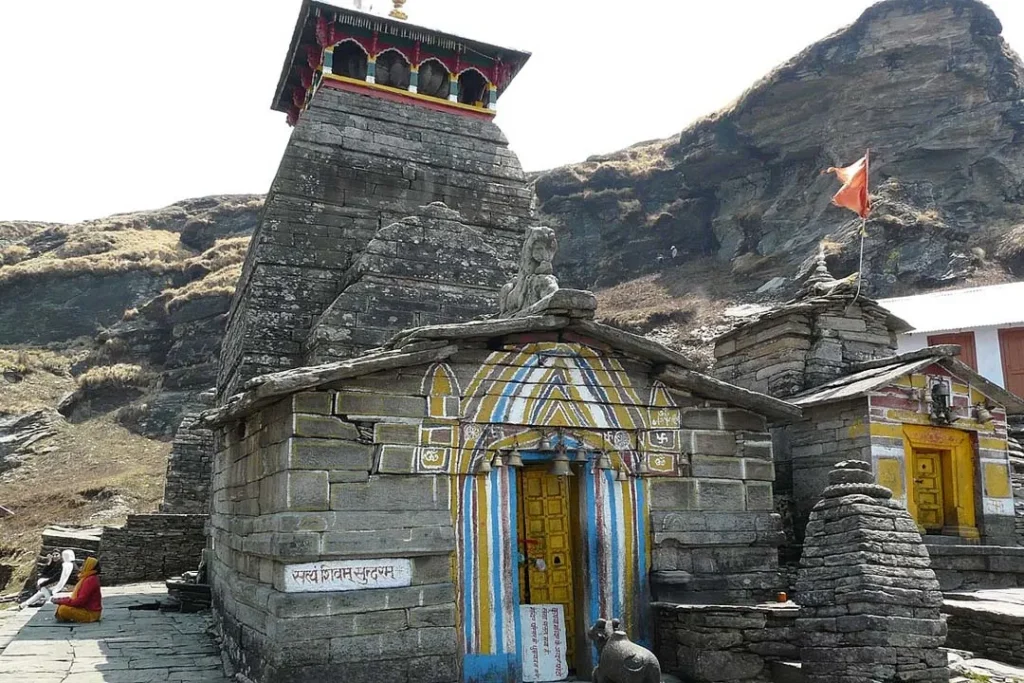
Tucked away in the Garhwal Himalayas of Uttarakhand, Tungnath Chandrashila in winter transforms into a breathtaking snow-covered paradise. From frozen trails and white meadows to spiritual silence and panoramic Himalayan views, this region offers an unforgettable experience for adventure lovers and devotees alike.
The Tungnath Temple, the highest Shiva temple in the world, combined with the thrilling Chopta Chandrashila Trek, makes Chopta one of the most sought-after winter destinations in India. Whether you’re a trekker, traveller, or spiritual soul, winter adds a whole new charm to this sacred land.
Why Visit Tungnath Chandrashila in Winter?
Winter (December to March) reveals a raw, untouched side of Chopta that few get to experience.
Reasons to Choose Winter Travel
-
Snow-covered trails and alpine landscapes
-
Fewer crowds compared to peak summer months
-
A peaceful and spiritual atmosphere at Tungnath Temple
-
Adventure-filled Chopta Chandrashila trek on snow
-
Stunning sunrise views from the Chandrashila summit
For nature lovers and photographers, winter offers surreal beauty with frozen forests and golden Himalayan peaks.
Tungnath Temple in Winter: Spirituality Amid Snow
About Tungnath Temple
Tungnath Temple is one of the Panch Kedar temples, dedicated to Lord Shiva. Sitting at an altitude of about 3,680 meters, it remains snowbound for most of the winter.
Tungnath Temple Distance
-
Chopta to Tungnath Temple distance: ~3.5 km (one way)
-
Tungnath Temple to Chandrashila Summit: ~1.5 km
During winter, the temple is usually closed due to heavy snowfall, but pilgrims still trek up to experience the sacred energy and serene surroundings.
Chopta Base Camp: The Starting Point
Chopta Base Camp serves as the gateway to both Tungnath Temple and Chandrashila Summit.
What Makes Chopta Special in Winter?
-
Snow-laden meadows and pine forests
-
Cozy homestays and camps
-
Ideal acclimatization spot before the trek
-
Clear views of peaks like Nanda Devi and Chaukhamba
Chopta remains accessible in winter, though road conditions depend on snowfall.
Chandrashila Trek in Winter: An Adventurer’s Delight
About the Chandrashila Trek
The Chandrashila Trek is moderately challenging in winter due to snow-covered paths, making it ideal for beginners seeking adventure and seasoned trekkers alike.
Trek Highlights
-
Snow trekking with crampons or microspikes
-
360-degree Himalayan views from the summit
-
Majestic sights of Trishul, Nanda Devi, and Chaukhamba
-
A rewarding sense of accomplishment
The Chopta Tungnath Trek is best started early in the morning to avoid harsh winds and ensure a safe descent.
Essential Winter Travel Tips
Before You Go
-
Check weather and road conditions regularly
-
Hire local guides for safety
-
Carry enough cash (limited ATMs)
What to Pack
-
Heavy woolens and waterproof jackets
-
Snow trekking shoes
-
Gloves, caps, and thermal layers
-
Trekking poles and sunglasses
Winter trekking requires preparation, but the experience is truly worth the effort.
Best Time to Visit Tungnath Chandrashila in Winter
-
December – January: Heavy snowfall, ideal for snow lovers
-
February – March: Clearer weather, better visibility
Each month offers a unique winter charm depending on your travel style.
Final Thoughts
Experiencing Tungnath Chandrashila in winter is not just a journey, it’s a soulful adventure through snow, silence, and spirituality. From the sacred aura of Tungnath Temple to the thrilling heights of the Chandrashila Trek, every step brings you closer to nature and inner peace.
If you’re planning a safe, well-organized, and memorable winter trip to Chopta, let Uttarakhand Tour Travels take care of your journey so you can focus on the experience, not the logistics.
Plan your winter escape to Chopta today and witness the Himalayas in their purest form.
