
Nag Tibba Trek Distance from Pantwari – Starting Point & Trail Details
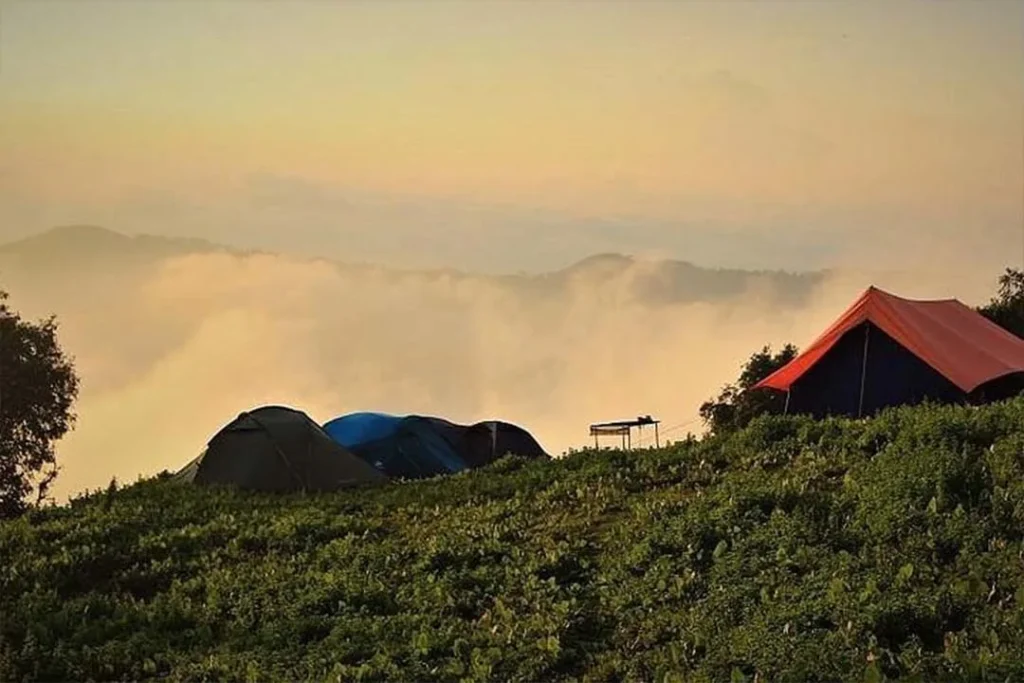
Pantwari village serves as the primary starting point for the Nag Tibba Trek in Uttarakhand’s Tehri Garhwal district, located about 85-90 km from Dehradun at an altitude of around 4,700-7,500 ft. The total trek distance is approximately 16-20 km round trip, making it an easy-to-moderate weekend adventure suitable for beginners. Uttarakhand Tour Travels offers guided packages from Pantwari, ensuring safe navigation through forests and meadows to the 9,900 ft summit. Pantwari as Starting Point Pantwari is the base camp and trailhead, reachable by a 3-5 hour drive from Dehradun via Mussoorie and Kempty Falls. From Dehradun, cover 90-104 km to arrive by noon, with the last network access here before ascending. Homestays and campsites are available, but permits from the Mussoorie Forest Office may be needed for rest houses. Trek Distance Breakdown The trek spans 16-20 km total, split over two days with a circular route back to Pantwari. Day Section Distance Time Altitude Gain 1 Pantwari to Camp 1 (e.g., Kathian or Nag Mandir) 4-5.5 km 3-5 hrs 4,700 ft to 7,700 ft 2 Camp 1 to Summit & Return to Pantwari 12 km 10-11 hrs Up to 9,900 ft This short distance allows completion in a weekend, with 5-6 hours of daily trekking. Detailed Trail Description Day 1: starts with a steep 2 km zigzag on a cemented path through terraced fields, oak, and rhododendron forests, passing Goat Village eco-resort and shepherd huts. The trail evens out into meadows with valley views, reaching Camp 1 amid forests for sunset and stargazing. Day 2: involves a forest ascent to open clearings, Nag Devta Temple (base), and a steep snowy incline (in winter) to the summit ridge. Enjoy 360° views of Bandarpoonch, Swargarohini, Gangotri, and Black Peak before descending the same path. Best Time and Essentials Trek year-round, but April-June and September-November offer clear skies; winter (Dec-Feb) brings snow magic. Pack trekking shoes, layers, water (from streams en route), snacks, and a medical kit; fitness for a 10-12 kg backpack is recommended—book with Uttarakhand Tour Travels for permits, gear, meals, and expert guides from Pantwari.
Is Rudranath Trek Safe in Monsoon? Expert Tips & Reality Check by Uttarakhand Tour Travels
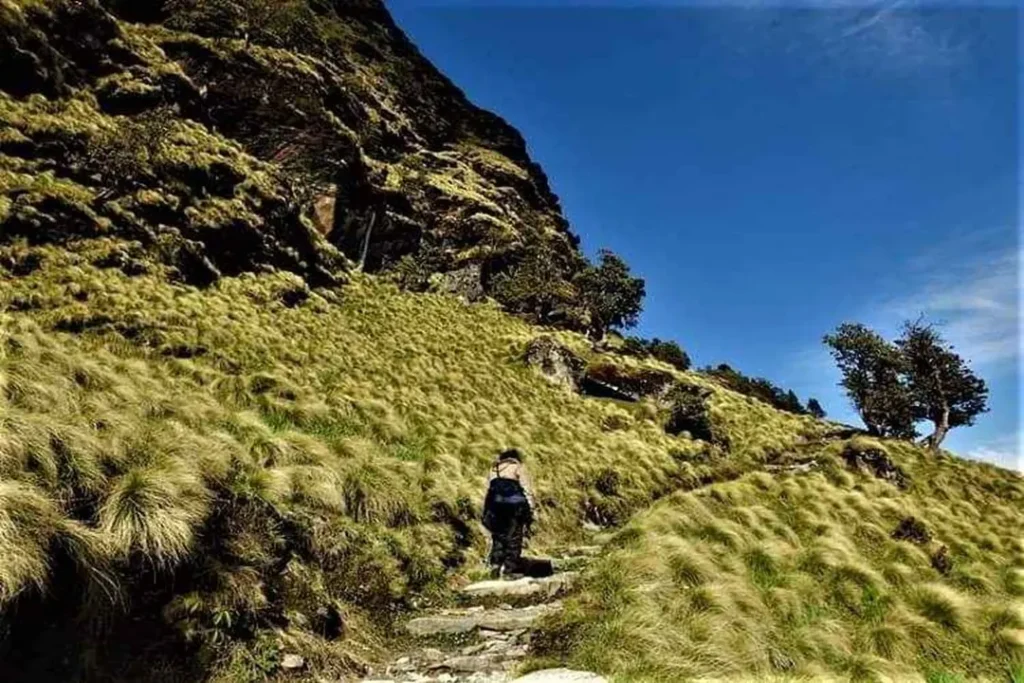
Known for its mystical beauty and spiritual aura, the Rudranath trek is one of the toughest yet most rewarding journeys in Uttarakhand. Every year, adventure seekers and devotees set their sights on this sacred Panch Kedar temple, drawn by tales of Lord Shiva and breathtaking views of the Garhwal Himalayas. But what if your plans fall during the monsoon? Is the Rudranath trek safe in the rainy season? As local travel experts at Uttarakhand Tour Travels, we break down the real risks, pros, cons, and essential tips you need to know for your journey during July to September. The Monsoon Challenge: Why is the Rudranath Trek Risky in the Rainy Season? 1. Slippery & Treacherous Trails During monsoons (July–September), the region faces very heavy and unpredictable rainfall. Trails flood easily, quickly becoming slippery and rife with mud. Steep ascents, uneven rocky paths, and boulder-strewn rivulets—already challenging during dry months—turn perilous, raising the risk of falls and sprains with every step. 2. Frequent Landslides & Blocked Routes The monsoon triggers frequent landslides and mudslides across Uttarakhand, especially in high-altitude regions like Chamoli. These can instantly block trekking routes, delay your journey, or put you in danger. Even road access to the base village (Sagar) may get disrupted. 3. Water Crossings and Flooding Numerous small streams and rivers swell rapidly in the rainy season, sometimes flooding low-lying routes or washing away trail sections. Crossing these can be hazardous, especially without local expertise or up-to-date information. 4. Reduced Visibility & Leech Infestation Cloud cover, fog, and dense mist are common in the monsoon, reducing visibility on already narrow trails. Leeches are also widespread in moist forest sections, making trekking uncomfortable. 5. Limited Rescue, Medical & Accommodation Support Basic dharamshalas and guesthouses near Rudranath offer only limited, essential facilities—even in peak season. During the monsoon, the number of people decreases, and medical or rescue help may take longer to arrive in the event of an emergency. Should You Trek Rudranath in Monsoon? Bluntly put: Monsoon is not recommended for the Rudranath trek unless you are an experienced, high-altitude trekker ready to face adverse conditions and fully understand the risks involved. Your trip could be hampered or cut short by trail closures, delayed routes, or weather-related hazards, heightening anxiety and discomfort. Travel agencies, veteran trekkers, and even local guides advise sticking to the summer months (May–June) or the post-monsoon/autumn months (September–mid-October). Trekking in these periods means clearer skies, stable trails, stunning views of Himalayan peaks, and much less risk. Who Can Attempt the Trek in Monsoon? Experienced trekkers with prior high-altitude, off-season trekking experience. Those carrying professional gear (high-traction boots, ponchos, trekking poles, first-aid kits, power banks, and GPS). Small, guided groups linked with local agencies like Uttarakhand Tour Travels, with flexible itineraries and support. People with strong physical and mental endurance—prepared for route changes, delays, and sudden weather swings. Top Tips by Uttarakhand Tour Travels: If You Must Trek in Monsoon Check the Weather and Trail Updates: Always monitor Uttarakhand weather bulletins and local news before and during the trek. Confirm trail status with agencies, local administration, and village networks. Hire a Local Guide: Guides know alternate routes, can support river crossings, and are invaluable in emergencies. Pack Properly: Waterproof backpack cover, high-grip trekking shoes, raincoat/poncho, quick-dry clothes, extra socks, gloves, insect repellent, salt for leeches. Extra food, water, and personal medicines. Keep It Light and Flexible: Be mentally prepared for sudden itinerary changes or the need to turn back. Travel in a Group: Avoid solo treks; group travel is safer in unstable weather conditions. Carry Emergency Contacts & Insurance: Save mountaineering rescue numbers and keep family/friends in the loop. The Best Time for Rudranath Trek: Your Safe Window Pre-monsoon (May–late June): Lush meadows, moderate weather, clear trails, optimum for spiritual seekers and first-time trekkers. Post-monsoon/Autumn (September–mid-October): Trail stability returns, forests glow after the rains, cold but comfortable—ideal for photography and exploration. Why Choose Uttarakhand Tour Travels for Your Rudranath Trek? Local Expertise: Up-to-date ground information and expert guides. Flexible Packages: Custom itineraries for all seasons. Safety Priority: First aid-equipped treks, early warning systems, and a support network in place. Responsible Trekking: Eco-friendly practices, community involvement, and mountain safety training for guides. Conclusion: Should You Attempt the Rudranath Trek in Monsoon? The spiritual magnetism and natural beauty of the Rudranath temple are undeniable, but the risks during the monsoon shouldn’t be underestimated. Unless you are an expert trekker, it’s best to avoid the rainy season for this journey. Book your trek with Uttarakhand Tour Travels in the safer months for a sublime, memorable—and safe—pilgrimage through the Himalayas. Adventure is best when it’s undertaken wisely! For expert planning, custom itineraries, and real-time advice, connect with Uttarakhand Tour Travels—your trusted local expert for the Rudranath trek and beyond.
Kedarkantha Trek: A Complete Guide to the Winter Wonderland of Uttarakhand
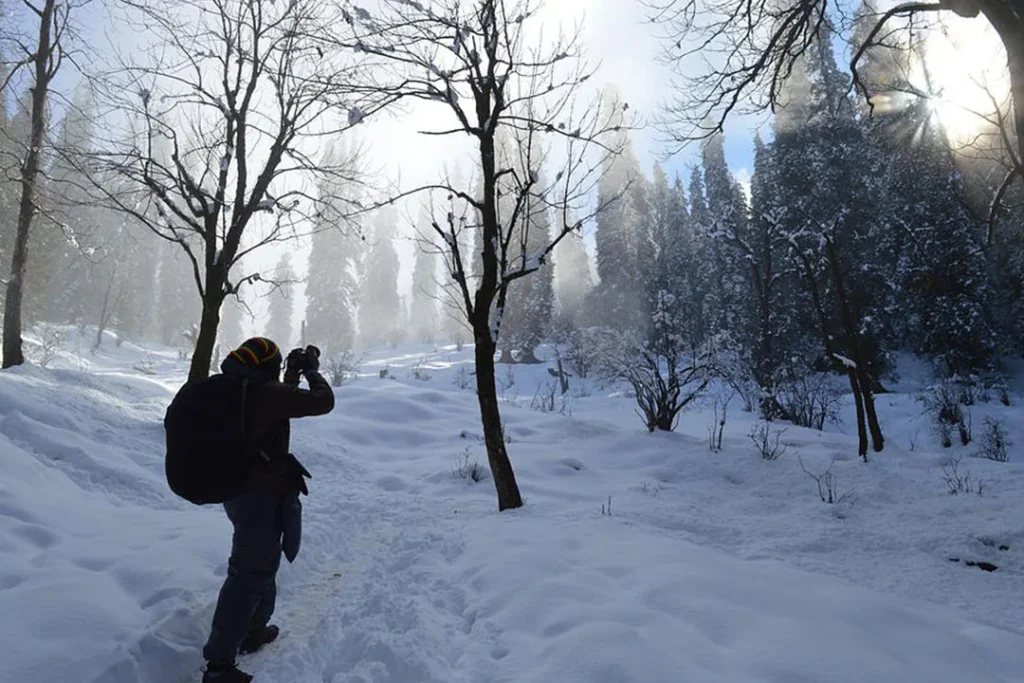
Nestled in the Garhwal Himalayas, Kedarkantha Trek is one of India’s most picturesque winter treks. Famous for its breathtaking views, snow-covered landscapes, and relatively easy trail, this trek is an excellent choice for both beginners and experienced trekkers. Kedarkantha, at an altitude of 12,500 ft, offers stunning panoramic views of snow-clad peaks, making it a must-visit adventure for nature lovers. Why Choose Kedarkantha Trek? Perfect Winter Trek: One of the few Himalayan treks accessible in winter. Mesmerizing Views: Offers a panoramic view of Swargarohini, Bandarpoonch, Black Peak, and Ranglana. Rich Flora & Fauna: Walk through dense forests of pine, oak, and rhododendrons. Scenic Campsites: Stunning locations like Juda ka Talab and Hargaon provide an unmatched camping experience. Best Time to Visit Kedarkantha The trek is accessible almost all year round, but the best time to visit depends on what experience you are looking for: Winter (December to April): Experience thick snow, frozen lakes, and a white wonderland. Summer (April to June): Pleasant weather with clear skies and blooming flowers. Monsoon (July to September): Not recommended due to landslides and slippery trails. Autumn (October to November): Crisp weather, clear skies, and golden-hued forests. Check Out the Kedarkantha Trek Route & Itinerary – Click Here Explore the mesmerizing beauty of Kedarkantha Trek, known for its breathtaking snow-clad peaks, dense pine forests, and stunning sunrise views. This guide covers the best time to visit, trekking routes, difficulty level, packing essentials, and expert tips for an unforgettable adventure. Packing Essentials for Kedarkantha Trek Clothing: Layered clothing for cold weather, thermal innerwear, waterproof jacket. Footwear: Trekking shoes with good grip. Gear: Backpack, trekking poles, headlamps, and sunglasses. Food & Water: Energy bars, dry fruits, and a water bottle. Miscellaneous: Sunscreen, lip balm, personal medications. Expert Tips for a Memorable Trek Acclimatize properly to avoid altitude sickness. Stay hydrated and carry reusable bottles. Follow sustainable trekking practices—leave no litter behind. Respect local culture and interact with villagers. Conclusion The Kedarkantha Trek is an extraordinary winter adventure offering spellbinding Himalayan landscapes and a lifetime of memories. For the best trekking experience, book your Kedarkantha trek with Uttarakhand Tour Travels—your trusted partner for adventure in the Himalayas!
Best Treks in Uttarakhand: A Complete Guide for Adventure Seekers

Uttarakhand, fondly known as the ‘Land of Gods‘, is home to some of the most stunning trekking trails in India. With breathtaking landscapes, pristine forests, and majestic mountains, this northern state offers a perfect blend of adventure and serenity. Whether you’re a seasoned trekker or a beginner, the treks in Uttarakhand promise an unforgettable experience. If you’re planning your next adventure in the Himalayas, here’s a list of the best treks in Uttarakhand, complete with trekking distances and stay options. 1. Roopkund Trek One of the most famous treks in Uttarakhand, the Roopkund Trek is known for its mysterious ‘Skeleton Lake’. Set at an altitude of 16,499 ft, this trek offers an exhilarating journey through deep forests, alpine meadows, and snow-covered terrains. The high-altitude lake, Roopkund, is famous for human skeletons that are visible at its bottom when the snow melts. Trek Distance: 53 km (round trip) Best Time to Visit: May – June, September – October Difficulty Level: Moderate to Difficult Ideal for: Adventure lovers looking for mystery and thrill Stay Options: Stay is primarily in tents. Campsites such as Didina, Bedni Bugyal, and Bhagwabasa are set up at various points. Bring your camping gear or arrange it through trekking agencies. 2. Valley of Flowers Trek The Valley of Flowers is a UNESCO World Heritage Site and one of the most beautiful treks in Uttarakhand. Known for its vibrant and rare flora, this trek offers a sight of blooming flowers spread across the valley like a carpet. With scenic views of snow-clad mountains, this is a must-visit for nature lovers and photography enthusiasts. Trek Distance: 38 km (round trip) Best Time to Visit: July – September (for the best flower bloom) Difficulty Level: Easy to Moderate Ideal for: Beginners, Nature enthusiasts, Botanists Stay Options: Most trekkers stay in guesthouses or basic lodges in Ghangaria, which is the base for the trek. Camping is not allowed inside the Valley of Flowers. 3. Kedarkantha Trek If you are looking for a perfect winter trek in Uttarakhand, the Kedarkantha Trek should be on top of your list. Located in the Govind Wildlife Sanctuary, this trek is famous for its summit climb and mesmerizing 360-degree views of snow-covered peaks. The well-marked trail, dense pine forests, and snowy paths make it one of the most enjoyable winter treks. Trek Distance: 20 km (round trip) Best Time to Visit: December – April Difficulty Level: Easy to Moderate Ideal for: Beginners, Winter trekking enthusiasts Stay Options: Tented accommodation is the most common. Camps are set up at sites like Juda Ka Talab and Kedarkantha Base Camp. Arrangements are usually handled by local trekking companies. 4. Har Ki Dun Trek The Har Ki Dun Trek is one of the oldest trekking routes in the Himalayas, offering a deep connection with nature and the Himalayan culture. Located at the base of Fateh Parvat, this trail passes through ancient villages, meadows, and dense forests. The trek provides stunning views of Swargarohini, Bandarpoonch, and other snow-clad peaks. Trek Distance: 47 km (round trip) Best Time to Visit: April – June, September – November Difficulty Level: Moderate Ideal for: Culture and history enthusiasts, trekkers of all levels Stay Options: Basic guesthouses and homestays are available in villages like Sankri and Osla. On the trek, camping is the only option, with campsites like Har Ki Dun Valley being the preferred location. 5. Pangarchulla Peak Trek For adventure seekers looking for a challenging trek, the Pangarchulla Peak Trek offers steep climbs and rugged terrain. Set at an altitude of 15,069 ft, this trek provides jaw-dropping views of the Garhwal Himalayas, including Nanda Devi, Hathi Parbat, and Dronagiri. Trek Distance: 40 km (round trip) Best Time to Visit: April – June, September – October Difficulty Level: Moderate to Difficult Ideal for: Experienced trekkers looking for a challenge Stay Options: Trekkers stay in tents during the journey, with campsites like Gulling and Khullara offering scenic camping experiences. Bring your tent or use services provided by trek organizers. 6. Nag Tibba Trek The Nag Tibba Trek is ideal for weekend adventurers and beginners. Located near Mussoorie, this trek is a short and easy getaway into the Garhwal Himalayas. With a maximum altitude of 9,915 ft, Nag Tibba offers spectacular views of the Bandarpunch, Kedarnath, and Gangotri peaks. It’s a perfect trek for those who want a quick dose of nature without too much difficulty. Trek Distance: 16 km (round trip) Best Time to Visit: Throughout the year (except monsoon) Difficulty Level: Easy Ideal for: Beginners, Weekend trekkers Stay Options: Tents are the main option for staying overnight. There are campsites at Nag Tibba Base or you can also arrange homestays in nearby villages before starting the trek. Conclusion Uttarakhand is truly a trekker’s paradise, offering something for everyone—from beginners to seasoned adventurers. Whether you’re trekking to uncover the mysteries of Roopkund or admiring the blooming flowers in the Valley of Flowers, these trails will leave you with unforgettable memories. If you’re ready to explore the best treks in Uttarakhand, our team at Uttarakhand Tour Travels is here to guide you through every step of your adventure. Contact us today to book your trekking experience and discover the natural wonders of Uttarakhand.
