Best Uttarakhand Tour Packages for Families and Kids
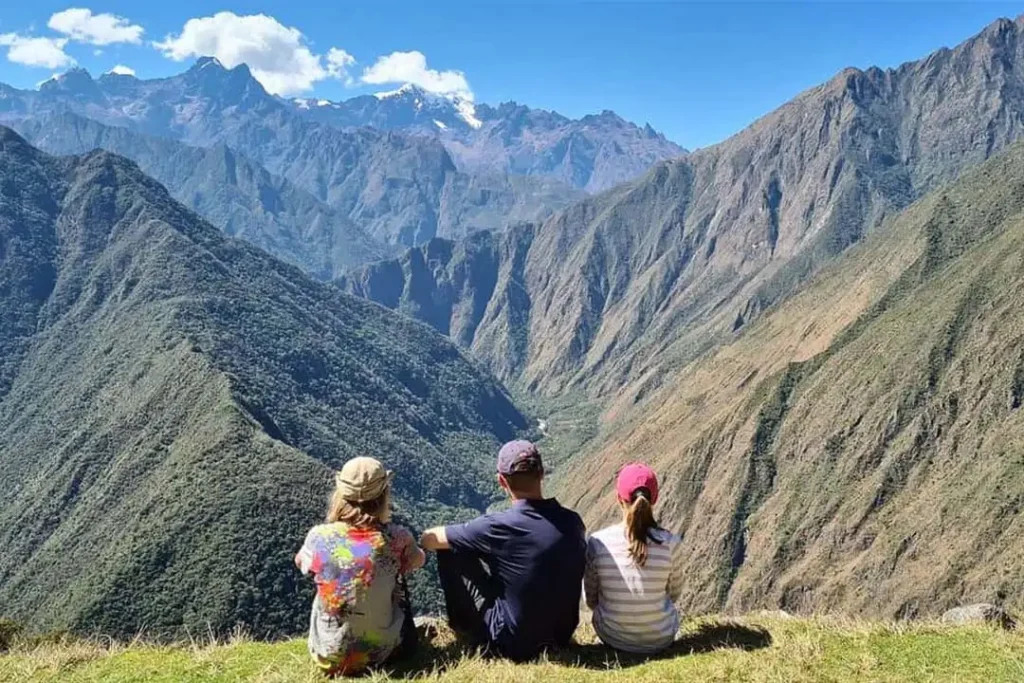
Uttarakhand is one of India’s most family-friendly travel destinations. With its clean hill towns, spiritual sites, wildlife experiences, and gentle adventure activities, the state offers something for every age group. Parents can relax amidst scenic landscapes, while children enjoy nature, easy treks, cable car rides, and wildlife encounters. Choosing the right Uttarakhand tour package for families ensures comfort, safety, and a balance between sightseeing and leisure. This blog will help you understand why Uttarakhand is ideal for family vacations, the best destinations to visit with kids, activities suitable for all ages, and how to choose the perfect family tour package. Why Choose Uttarakhand for a Family Vacation Uttarakhand stands out as a family holiday destination because of its peaceful environment, pleasant weather, and well-connected hill stations. Unlike crowded tourist hubs, many places here offer calm surroundings, making travel with children and senior citizens easier. Another advantage is variety. Families can combine nature, spirituality, light adventure, and cultural learning in one trip. From boat rides in Nainital to wildlife safaris in Jim Corbett and scenic walks in Mussoorie, Uttarakhand tour packages for families are designed to keep everyone engaged. The state also has good accommodation options ranging from family-friendly resorts to comfortable hotels that provide child-friendly meals and amenities. Best Family-Friendly Destinations in Uttarakhand Nainital Nainital is one of the most popular destinations for families visiting Uttarakhand. The serene Naini Lake, surrounded by hills, creates a peaceful yet fun atmosphere. Kids enjoy boat rides, cable car trips to Snow View Point, and visits to the zoo. Parents can explore local markets, relax by the lake, or enjoy scenic viewpoints. Most Uttarakhand family tour packages include Nainital because of its accessibility and safe environment. Mussoorie Often called the Queen of Hills, Mussoorie is ideal for families looking for scenic beauty and gentle activities. Camel’s Back Road, Kempty Falls, and Gun Hill are major attractions suitable for children. Mussoorie’s pleasant weather and wide walking paths make it easy for families to explore without exhaustion. Many tour packages include leisure time here, allowing families to enjoy the town at a relaxed pace. Jim Corbett National Park Jim Corbett is a favorite among families with kids who love wildlife and nature. Jeep safaris introduce children to animals like deer, elephants, and birds in their natural habitat. Staying at nature resorts near the park also helps kids learn about conservation and forests. Family-friendly Uttarakhand tour packages often include Corbett for its educational and adventurous value. Rishikesh and Haridwar Rishikesh and Haridwar offer a blend of spirituality, culture, and calm experiences. Families can attend the Ganga Aarti, visit temples, and enjoy riverside walks. In Rishikesh, kids can enjoy activities like rafting in safe stretches, nature walks, and yoga sessions designed for beginners. These destinations are often included in family tour packages for a meaningful and peaceful experience. Almora and Ranikhet For families looking to avoid crowds, Almora and Ranikhet are excellent choices. These hill towns are quiet, scenic, and ideal for quality family time. Children can explore forests, enjoy open spaces, and learn about local culture. These destinations are perfect for families who prefer slow travel and nature-focused Uttarakhand tour packages. Activities Kids and Families Will Enjoy Uttarakhand offers a wide range of activities suitable for families and children of different ages. Nature walks and short treks help kids connect with the outdoors without being too physically demanding. Cable car rides in places like Nainital and Mussoorie add excitement to sightseeing. Wildlife safaris in Jim Corbett and birdwatching activities are educational and fun. In some destinations, families can enjoy boating, picnic spots, and riverside relaxation. Many Uttarakhand family tour packages also include visits to gardens, waterfalls, and cultural sites, ensuring children are entertained while parents enjoy the scenery. Best Time to Visit Uttarakhand with Family The best time to book Uttarakhand tour packages for families is from March to June and from September to November. Summer months are ideal for escaping the heat and enjoying pleasant weather. This is a great time for sightseeing and outdoor activities with kids. Post-monsoon months offer clear skies and lush landscapes. Winter can also be enjoyable in destinations like Nainital and Mussoorie, especially if families want to experience light snowfall, but it is important to check road conditions and weather forecasts before planning. What to Look for in Family-Friendly Uttarakhand Tour Packages When choosing a tour package for families and kids, comfort and safety should be top priorities. Look for packages that include well-rated hotels, comfortable transportation, and flexible itineraries. Travel schedules should not be too rushed, allowing children to rest and enjoy each destination. Packages that include kid-friendly activities, leisure days, and experienced local guides add value to the trip. It is also helpful to choose tour operators who can customize itineraries based on family size and children’s age groups. Benefits of Booking Customized Family Tour Packages Customized Uttarakhand tour packages for families offer flexibility and peace of mind. Families can choose destinations based on their interests, select hotels that suit their budget, and adjust travel pace according to children’s needs. Customization also allows families to include special activities such as birthday celebrations, private sightseeing, or extended stays at scenic locations. This ensures a more personal and enjoyable travel experience. Budget vs Premium Family Tour Packages Uttarakhand offers family tour packages across different budget ranges. Budget packages usually focus on essential sightseeing, standard hotels, and shared transportation. Premium family tour packages include luxury resorts, private vehicles, personalized itineraries, and exclusive experiences. Families traveling with young kids or senior members often prefer premium packages for added comfort. Choosing the right package depends on travel expectations, budget, and the level of comfort desired. Tips for Traveling to Uttarakhand with Kids Packing appropriately is important when traveling to hill destinations. Carry warm clothes, comfortable footwear, and basic medicines for children. It is advisable to plan travel routes with minimal long drives in a single day. Staying hydrated and taking regular breaks helps children adjust to altitude changes. Booking Uttarakhand tour packages with
Budget vs Luxury: Finding the Right Uttarakhand Tour Package for You
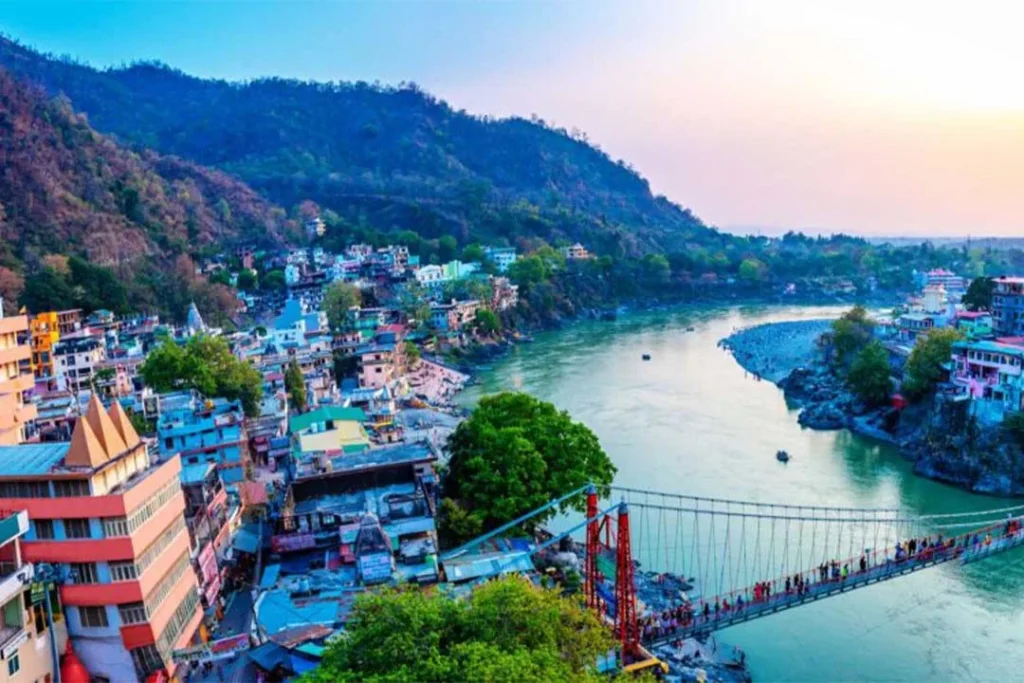
Uttarakhand, often called the Land of the Gods, is one of India’s most diverse travel destinations. Snow-capped Himalayan peaks, peaceful hill stations, sacred temples, wildlife reserves, and scenic rivers make it ideal for every type of traveler. Whether you are planning a spiritual journey, a family vacation, a honeymoon, or an adventure trip, Uttarakhand offers experiences across all budgets. One of the most common questions travelers face is whether to choose a budget or luxury Uttarakhand tour package. Both options have their advantages, and the right choice depends on your travel style, expectations, and priorities. This guide will help you understand the key differences between budget and luxury tour packages and choose the one that suits you best. Understanding Budget Uttarakhand Tour Packages Budget Uttarakhand tour packages are designed for travelers who want to explore the region without spending heavily. These packages focus on covering major attractions at affordable costs while keeping essential services in place. What Is Included in Budget Packages Budget packages usually include basic accommodation such as budget hotels, guesthouses, or standard homestays. Transportation is often provided through shared vehicles or economical private options. Sightseeing covers popular destinations like Nainital, Mussoorie, Haridwar, Rishikesh, Jim Corbett, and Auli. Meals may be limited to breakfast or simple meal plans. Guides, if included, are usually for specific sightseeing spots rather than throughout the trip. Who Should Choose a Budget Tour Package Budget Uttarakhand tour packages are ideal for solo travelers, backpackers, students, and families looking to travel economically. They also work well for travelers who spend more time exploring outdoors and less time in hotels. If your priority is sightseeing, local experiences, and value for money rather than premium comfort, a budget package is a practical choice. Understanding Luxury Uttarakhand Tour Packages Luxury Uttarakhand tour packages focus on comfort, exclusivity, and personalized experiences. These packages are designed for travelers who prefer premium services, top-class accommodations, and stress-free travel. What Is Included in Luxury Packages Luxury packages usually include stays in high-end resorts, boutique hotels, heritage properties, or luxury camps with scenic views. Transportation is provided through private vehicles, often with experienced drivers and flexible schedules. These packages may include gourmet meals, spa services, curated experiences, guided tours, and special activities such as private yoga sessions, wildlife safaris, or exclusive temple visits. Who Should Choose a Luxury Tour Package Luxury Uttarakhand tour packages are perfect for honeymooners, couples, senior travelers, corporate groups, and families seeking comfort and relaxation. They are also suitable for travelers celebrating special occasions or those who prefer privacy and premium experiences. If you value convenience, high-quality service, and memorable stays as much as sightseeing, a luxury package is the right fit. Key Differences Between Budget and Luxury Uttarakhand Tour Packages Understanding the differences can help you make a confident decision. Accommodation Experience Budget packages focus on clean and functional stays, while luxury packages offer spacious rooms, scenic locations, and premium amenities. Luxury stays often become a highlight of the trip rather than just a place to rest. Transportation and Travel Comfort In budget tours, transportation is optimized for cost, which may involve shared vehicles or fixed itineraries. Luxury tours provide private vehicles, flexible travel plans, and smoother travel experiences, especially in hilly terrain. Customization and Flexibility Budget packages usually follow fixed itineraries with limited customization. Luxury packages allow greater flexibility, letting you modify plans, add experiences, or spend more time at specific locations. Overall Experience Budget travel focuses on affordability and exploration, while luxury travel focuses on comfort, exclusivity, and personalized service. Neither is better than the other; they simply serve different travel needs. Choosing the Right Uttarakhand Tour Package for You Selecting between budget and luxury depends on several personal factors. Consider Your Travel Goals If your goal is spiritual travel, adventure trekking, or sightseeing across multiple destinations, a budget package may meet your needs. If relaxation, wellness, and premium experiences are your goals, a luxury package offers better value. Define Your Budget Clearly Having a clear budget helps narrow down your options. Budget Uttarakhand tour packages are ideal if you want to manage costs, while luxury packages offer higher comfort at a higher price point. Travel Companions Matter Families with children or elderly members often prefer luxury packages for convenience and comfort. Young travelers and groups of friends may enjoy the flexibility of budget travel. Trip Duration and Season Short trips or off-season travel can make luxury packages more affordable. During peak seasons, budget packages fill up quickly, while luxury options may offer better availability and crowd-free experiences. Popular Destinations for Budget and Luxury Travelers in Uttarakhand Certain destinations work well for both types of travelers, depending on how you explore them. Nainital and Mussoorie These hill stations offer budget hotels as well as luxury resorts with lake or valley views. Budget travelers can enjoy sightseeing, while luxury travelers can relax in premium properties. Rishikesh and Haridwar Budget packages focus on spiritual tours, yoga centers, and local experiences. Luxury packages include riverside resorts, wellness retreats, and curated spiritual experiences. Jim Corbett National Park Budget safaris and lodges are available, but luxury jungle resorts offer exclusive wildlife experiences, better comfort, and guided safaris. How to Get the Best Value from Any Tour Package Regardless of whether you choose budget or luxury, smart planning helps maximize value. Book early to secure better rates and availability. Compare inclusions carefully rather than focusing only on price. Look for packages that balance sightseeing with relaxation. Always check reviews and ensure the tour operator has experience handling Uttarakhand travel. Final Thoughts Uttarakhand offers unforgettable experiences for every kind of traveler. Budget Uttarakhand tour packages allow you to explore the region economically, while luxury Uttarakhand tour packages elevate your journey with comfort and exclusivity. The right package is not about spending more or less but about matching the travel experience to your expectations. By understanding your priorities, budget, and travel style, you can choose a tour package that turns your Uttarakhand trip into a memorable experience. FAQs 1. Are budget Uttarakhand
Best Places to Visit in Almora: Explore the Heart of Kumaon Uttarakhand

Nestled in the lap of the majestic Kumaon Himalayas, Almora is a hill station that effortlessly captures the hearts of all its visitors. With a tapestry of lush pine forests, charismatic temples, rich history, vibrant culture, and scenic trekking trails, Almora is truly a paradise for nature lovers, spiritual seekers, and adventure enthusiasts alike. At Uttarakhand Tour Travels, we’ve curated many exciting Almora Tour Packages that introduce you to the best of this Himalayan gem. In this blog, let’s embark on a virtual tour of the best places to visit in Almora—and discover why Almora should be your next dream destination in Uttarakhand! 1. Kasar Devi Temple: Spiritual Vibes and Mesmerizing Views No visit to Almora is complete without experiencing the ethereal aura of Kasar Devi Temple, perched on a ridge with panoramic views of the Himalayas. Famous for attracting spiritual thinkers and mystical energy seekers (including Swami Vivekananda, Bob Dylan, and Cat Stevens), this temple is believed to stand on a magnetic field similar to Machu Picchu and Stonehenge. The annual Kasar Devi Fair held here further adds to the local cultural charm. 2. Bright End Corner: A Sunset Lover’s Paradise If you’re chasing the best sunset in Almora District, Bright End Corner is your go-to spot. Located just 2km from Almora town, it offers a spellbinding view of the sun dipping behind the majestic snow-capped peaks. Many visitors stroll along the scenic road to the corner, soaking up the refreshing air—perfect for photography, meditation, or a romantic evening. 3. Chitai Golu Devta Temple: The God of Justice Known for its unique tradition of devotees offering bells, the Chitai Golu Devta Temple is just 8km from Almora. Golu Devta, revered as the dispenser of justice, is deeply worshipped across Kumaon. The temple’s charm lies in its thousands of hanging bells and petitions for justice and wishes. This sacred site is a must-visit for those interested in the spiritual tapestry of Temples in Uttarakhand. 4. Zero Point: Panoramic Himalayan Views One of the most sought-after trekking experiences in Almora, Zero Point inside Binsar Wildlife Sanctuary, offers a jaw-dropping 360-degree view of the Himalayas, including famous peaks like Nanda Devi, Kedarnath, and Trishul. Trekking in Almora reaches its peak here—you can spot rare birds, enjoy tranquil forest walks, and marvel at the vastness of the Himalayas from this observation tower. 5. Binsar Wildlife Sanctuary: A Nature Lover’s Delight If you’re enthusiastic about nature and adventure, the Binsar Wildlife Sanctuary is a must. Spread over 45 square kilometers, it’s home to hundreds of bird species, leopards, barking deer, and a wide variety of flora. Guided nature walks, birdwatching, and scenic trekking routes make Binsar a highlight in many Almora Tour Packages. 6. Lakhudiyar Caves: Ancient Rock Art History buffs will enjoy a visit to the Lakhudiyar Caves on the banks of the Suyal River. These caves are known for prehistoric rock paintings and carvings that date back thousands of years. It is a testimony to the rich history and culture of the Almora District, making it an educational and fascinating stop for families and history enthusiasts. 7. Katarmal Sun Temple: An Architectural Marvel Just 19km from Almora lies the ancient Katarmal Sun Temple, the second most important sun temple in India after Konark. Dating back over 800 years, it combines exquisite stone carvings with serene surroundings, offering insight into the architectural brilliance of the Katyuri dynasty. Its spiritual ambiance is truly calming. 8. Simtola Eco Park: Perfect Picnic Spot Surrounded by pine and deodar forests, Simtola Eco Park provides the perfect escape for families and couples. It’s ideal for a peaceful picnic, nature walks, or simply unwinding amid the sounds of birds and mountain breezes. Its lush landscapes make it a favorite with travelers booking Almora Tour Packages. 9. Deer Park: A Retreat for Wildlife Enthusiasts Easy to access from Almora town, Deer Park is a serene patch of forest with rich wildlife and tall pine trees. It’s a great place for a tranquil walk, spotting deer, and soaking in Almora’s natural beauty—especially loved by children and photography lovers. 10. Shopping in Almora: Local Delights and Handicrafts No trip to Almora is finished without exploring its vibrant local markets. Pick up traditional Kumaoni woolens, local jams, copperware, and the famous Bal Mithai sweet. The old bazaars, like Lal Bazaar and Thana Bazaar, are the perfect places to feel the rhythm of Almora District’s daily life. Trekking in Almora: Adventure Beckons For adventure seekers, trekking in Almora is an unforgettable experience. The region offers gentle walks for beginners and challenging hikes for pros, with routes like Almora to Jageshwar, Binsar to Zero Point, and Kasar Devi to Crank’s Ridge. Plan Your Visit: Why Choose Uttarakhand Tour Travels? At Uttarakhand Tour Travels, we ensure you experience the very best of Almora with thoughtfully designed itineraries, comfortable accommodations, expert guides, and local insights. Conclusion Almora is a tapestry of natural beauty and cultural richness. Ready to pack your bags for Almora? Let Uttarakhand Tour Travels be your trusted companion on this memorable journey. Explore our Almora Tour Packages today and experience the best of the Himalayas with us!
Why Uttarakhand is the Perfect Honeymoon Destination

For couples seeking a blend of romance, adventure, natural beauty, spirituality, and a touch of luxury, Uttarakhand stands out as a haven. Known as the “Land of the Gods,” Uttarakhand is characterized by mesmerizing snow-capped peaks, lush valleys, pristine rivers, and idyllic retreats that are perfect for newlyweds. At Uttarakhand Tour Travels, we’ve curated countless romantic escapes, and we’re here to share why this Himalayan state is the perfect honeymoon backdrop. Nature’s Romantic Canvas The magic of Uttarakhand begins with its jaw-dropping scenery. Imagine waking up in the arms of your beloved to misty mornings, sunlight glinting on mountain peaks, or the gentle murmur of a nearby stream. Uttarakhand’s diverse landscapes—ranging from the snowy heights of Auli and Chopta to the green valleys of Nainital and Mussoorie—offer the perfect setting for couples to bond over nature walks, sunset views, or a cozy fireside evening. Best Romantic Nature Spots Nainital: Famed for its shimmering lake, Nainital is a classic honeymoon choice. Couples can enjoy a romantic boat ride, go for strolls along the Mall Road, and experience candle-lit dinners with lake views. Mussoorie: The “Queen of Hills”, Mussoorie is ideal for couples who love cool mountain breezes, lively cafes, and scenic viewpoints like Gun Hill and Camel’s Back Road. Auli: For couples who are drawn to snow, Auli is Uttarakhand’s premier skiing destination. In winter, Auli transforms into a snowy wonderland. Pangot, Mukteshwar & Kausani: For those seeking solitude, these quiet retreats offer panoramic views and unspoiled landscapes where love can bloom in peace. Thrilling Adventures for Two A memorable honeymoon often includes a dash of excitement and Uttarakhand excels here too. From river rafting in Rishikesh—where the adrenaline rush can be shared hand-in-hand—to paragliding in Naukuchiatal or zip-lining in Mussoorie, adventure-loving couples have endless options. Trekking the Chopta-Tungnath trail or embarking on forest safaris in Jim Corbett National Park can add a thrilling kick to your romantic getaway. Adventure Highlights White Water Rafting in Rishikesh Couple Trekking in Valley of Flowers, Chopta, or Har Ki Dun Paragliding in Bhimtal and Naukuchiatal Wildlife Safaris at Jim Corbett National Park Spiritual Experiences & Wellness Retreats Uttarakhand’s spiritual aura is palpable, making it a unique destination for couples looking to start their marital journey with blessings and positivity. Sacred towns like Rishikesh and Haridwar invite couples to participate in evening Ganga Aartis—a serene and soul-stirring experience. Cozy & Luxurious Stays A honeymoon needs privacy, comfort, and an ambience that sparks romance. Uttarakhand spoils you with choices ranging from luxury resorts and boutique cottages to glamping tents with Himalayan views. Brands like Uttarakhand Tour Travels have tie-ups with some of the finest properties, ensuring honeymooners receive special attention—think flower arrangements, candle-lit dinners, and even private bonfires under the stars. Unique Stays Treehouse cottages in Mukteshwar Lakeside camps in Bhimtal or Sattal Luxury resorts in Mussoorie or Nainital Boutique heritage hotels in Dehradun Magical Winters & Blossoming Springs Uttarakhand creates a diverse range of romantic vibes throughout the year. In winter (December–February), destinations like Auli and Chakrata are blanketed in snow, ideal for cozying up with your partner by a fire. Even the monsoon, with misty clouds hugging the valleys, brings a unique charm best experienced from a safe, snug retreat. Cultural Encounters & Local Flavours A honeymoon isn’t just about sightseeing—it’s about making memories. Uttarakhand’s rich culture offers opportunities to learn, cook, and share meals. Explore bustling local markets, try Kumaoni and Garhwali dishes, or visit hill villages to glimpse traditional lifestyles. Taking a cooking class together at a local homestay or sampling sweets like bal mithai in Almora adds layers of experience to your trip. Uttarakhand Honeymoon: Tips for Couples Best Time to Visit: All year round! Choose winter for snow, spring/summer for lush greens, and autumn for crystal-clear views. Packing Essentials: Pack light woolens for summer evenings, rain gear for the monsoon, and warm jackets for the winter season. Customise Your Package: Speak to Uttarakhand Tour Travels for special inclusions like spa treatments, private excursions, or offbeat destination stays. Special Permissions: Some treks and forest reserves may require advance permits—book in advance. Conclusion Uttarakhand is a land where love, beauty, and adventure come together to create the honeymoon of your dreams. Entrust your journey to Uttarakhand Tour Travels and embark on a story that will be cherished forever.
Is Rudranath Trek Safe in Monsoon? Expert Tips & Reality Check by Uttarakhand Tour Travels
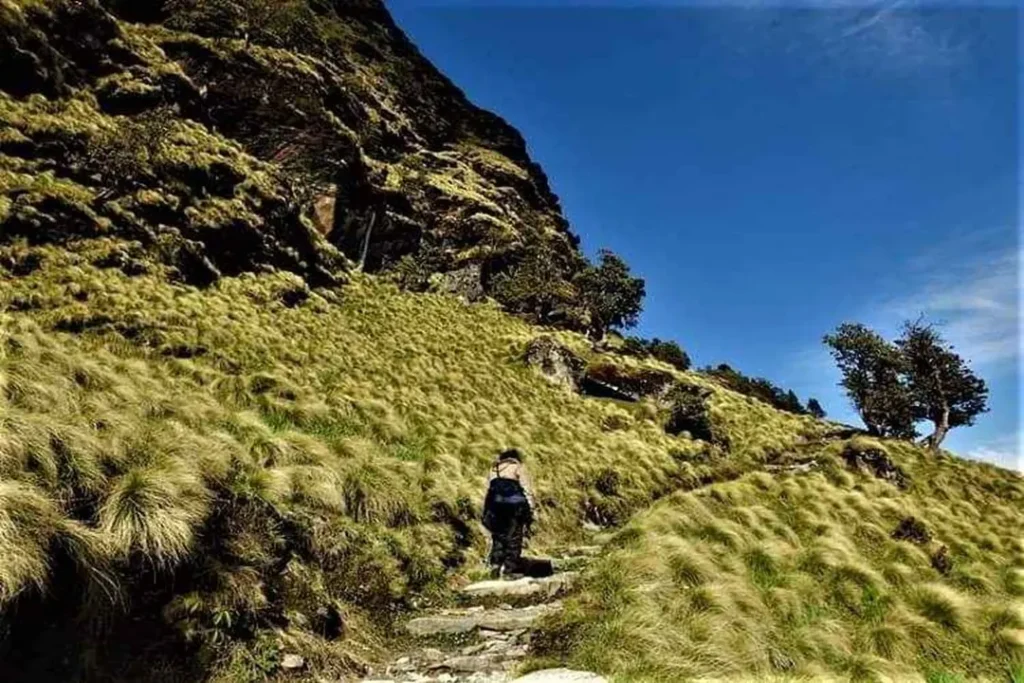
Known for its mystical beauty and spiritual aura, the Rudranath trek is one of the toughest yet most rewarding journeys in Uttarakhand. Every year, adventure seekers and devotees set their sights on this sacred Panch Kedar temple, drawn by tales of Lord Shiva and breathtaking views of the Garhwal Himalayas. But what if your plans fall during the monsoon? Is the Rudranath trek safe in the rainy season? As local travel experts at Uttarakhand Tour Travels, we break down the real risks, pros, cons, and essential tips you need to know for your journey during July to September. The Monsoon Challenge: Why is the Rudranath Trek Risky in the Rainy Season? 1. Slippery & Treacherous Trails During monsoons (July–September), the region faces very heavy and unpredictable rainfall. Trails flood easily, quickly becoming slippery and rife with mud. Steep ascents, uneven rocky paths, and boulder-strewn rivulets—already challenging during dry months—turn perilous, raising the risk of falls and sprains with every step. 2. Frequent Landslides & Blocked Routes The monsoon triggers frequent landslides and mudslides across Uttarakhand, especially in high-altitude regions like Chamoli. These can instantly block trekking routes, delay your journey, or put you in danger. Even road access to the base village (Sagar) may get disrupted. 3. Water Crossings and Flooding Numerous small streams and rivers swell rapidly in the rainy season, sometimes flooding low-lying routes or washing away trail sections. Crossing these can be hazardous, especially without local expertise or up-to-date information. 4. Reduced Visibility & Leech Infestation Cloud cover, fog, and dense mist are common in the monsoon, reducing visibility on already narrow trails. Leeches are also widespread in moist forest sections, making trekking uncomfortable. 5. Limited Rescue, Medical & Accommodation Support Basic dharamshalas and guesthouses near Rudranath offer only limited, essential facilities—even in peak season. During the monsoon, the number of people decreases, and medical or rescue help may take longer to arrive in the event of an emergency. Should You Trek Rudranath in Monsoon? Bluntly put: Monsoon is not recommended for the Rudranath trek unless you are an experienced, high-altitude trekker ready to face adverse conditions and fully understand the risks involved. Your trip could be hampered or cut short by trail closures, delayed routes, or weather-related hazards, heightening anxiety and discomfort. Travel agencies, veteran trekkers, and even local guides advise sticking to the summer months (May–June) or the post-monsoon/autumn months (September–mid-October). Trekking in these periods means clearer skies, stable trails, stunning views of Himalayan peaks, and much less risk. Who Can Attempt the Trek in Monsoon? Experienced trekkers with prior high-altitude, off-season trekking experience. Those carrying professional gear (high-traction boots, ponchos, trekking poles, first-aid kits, power banks, and GPS). Small, guided groups linked with local agencies like Uttarakhand Tour Travels, with flexible itineraries and support. People with strong physical and mental endurance—prepared for route changes, delays, and sudden weather swings. Top Tips by Uttarakhand Tour Travels: If You Must Trek in Monsoon Check the Weather and Trail Updates: Always monitor Uttarakhand weather bulletins and local news before and during the trek. Confirm trail status with agencies, local administration, and village networks. Hire a Local Guide: Guides know alternate routes, can support river crossings, and are invaluable in emergencies. Pack Properly: Waterproof backpack cover, high-grip trekking shoes, raincoat/poncho, quick-dry clothes, extra socks, gloves, insect repellent, salt for leeches. Extra food, water, and personal medicines. Keep It Light and Flexible: Be mentally prepared for sudden itinerary changes or the need to turn back. Travel in a Group: Avoid solo treks; group travel is safer in unstable weather conditions. Carry Emergency Contacts & Insurance: Save mountaineering rescue numbers and keep family/friends in the loop. The Best Time for Rudranath Trek: Your Safe Window Pre-monsoon (May–late June): Lush meadows, moderate weather, clear trails, optimum for spiritual seekers and first-time trekkers. Post-monsoon/Autumn (September–mid-October): Trail stability returns, forests glow after the rains, cold but comfortable—ideal for photography and exploration. Why Choose Uttarakhand Tour Travels for Your Rudranath Trek? Local Expertise: Up-to-date ground information and expert guides. Flexible Packages: Custom itineraries for all seasons. Safety Priority: First aid-equipped treks, early warning systems, and a support network in place. Responsible Trekking: Eco-friendly practices, community involvement, and mountain safety training for guides. Conclusion: Should You Attempt the Rudranath Trek in Monsoon? The spiritual magnetism and natural beauty of the Rudranath temple are undeniable, but the risks during the monsoon shouldn’t be underestimated. Unless you are an expert trekker, it’s best to avoid the rainy season for this journey. Book your trek with Uttarakhand Tour Travels in the safer months for a sublime, memorable—and safe—pilgrimage through the Himalayas. Adventure is best when it’s undertaken wisely! For expert planning, custom itineraries, and real-time advice, connect with Uttarakhand Tour Travels—your trusted local expert for the Rudranath trek and beyond.
Rudranath Temple Closing Date 2025: Plan Your Journey with Uttarakhand Tour Travels
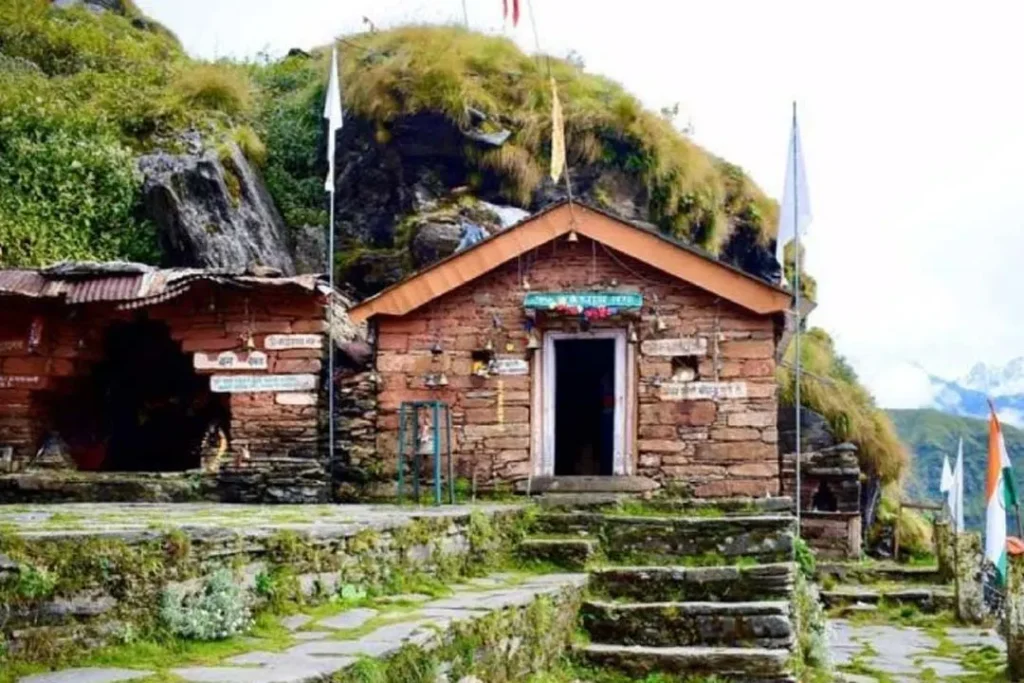
The spiritual magnetism of Uttarakhand lies in its ancient shrines, piercing peaks, and tranquil valleys. Tucked deep within the Garhwal Himalayas, Rudranath Temple stands as one of the most mystical corners of this land—a crucial destination on the Panch Kedar pilgrimage circuit. If you’re preparing for a spiritual trek or seeking the blessings of Lord Shiva in 2025, timing your visit is essential. Uttarakhand Tour Travels brings you this comprehensive guide on the Rudranath Temple closing date 2025, along with essential travel tips for an unforgettable Himalayan experience. Rudranath Temple: A Sacred Himalayan Gem Rudranath Temple is one of the five revered Panch Kedars, dedicated to the face (mukha) aspect of Lord Shiva. Located at an elevation of around 3,600 meters and surrounded by dense alpine meadows and rhododendron forests, Rudranath offers a breathtaking blend of devotion and natural beauty. Accessible only via a tough yet rewarding trek, pilgrims feel an unparalleled sense of accomplishment when they glimpse its ancient stone sanctum. Rudranath Temple Opening & Closing Dates 2025 Opening Date 2025: 18th May 2025 Closing Date 2025: 17th October 2025 (tentative/finalized for most organizing agencies) The temple generally remains open from mid-May to mid-October each year. In 2025, after vibrant spring rituals, the Rudranath shrine welcomes devotees from 18 May. The sacred portals are set to close for winter on 17th October 2025, after which the presiding deity is ceremonially moved to Gopinath Temple in Gopeshwar for winter worship. Why Does Rudranath Temple Close Each Year? Rudranath, like the other high-altitude shrines in the Himalayas, faces extreme winter conditions. Heavy snowfall, subzero temperatures, and treacherous trekking paths make it impossible to maintain regular pilgrim access. Tradition and safety dictate shifting Lord Shiva’s worship from Rudranath to a winter seat—ensuring that spiritual practices continue unbroken even as nature claims the mountains. What Happens During the Closing Ceremony? On the last day, the temple resonates with special prayers, artists, and emotional farewells from devotees and priests. The Rudranath Doli Yatra—a colorful procession bearing the idol—makes its descent to Gopeshwar. Pilgrims gather to witness these powerful rituals, seek the year’s final blessings, and celebrate the enduring faith that links mountain and plains. How to Plan Your Rudranath Pilgrimage in 2025 Best Time to Visit: Pre-monsoon: May to June offers brilliant weather, blooming meadows, and relatively safer trekking conditions. Post-monsoon: September to October, when the rains subside but before the cold sets in, is ideal for breathtaking vistas and moderate crowds. What to Pack: Warm layers (temperatures can drop suddenly) Waterproof trekking shoes First-aid kit, basic medications Light snacks/energy bars Rain gear (just in case!) A camera to capture those unparalleled vistas Important Tips: Accommodations are basic (guesthouses/campsites). Booking, especially for large groups, is essential. Pilgrims should maintain good physical fitness; the trek challenges even seasoned hikers. Respect local customs and eco-rules—Rudranath lies within a sensitive ecosystem. Frequently Asked Questions Q: Can I visit Rudranath after mid-October? A: No. The temple is closed to visitors after the specified closing date due to hazardous weather conditions. But you can seek Lord Rudranath’s blessings at the Gopinath Temple in Gopeshwar. Q: Is there a fixed closing date every year? A: The closing date varies slightly, based on the Hindu lunar calendar and seasonal conditions. For 2025, it’s set for 17th October, but please confirm closer to your travel date. Q: Are there medical facilities at Rudranath? A: Medical help is scarce on the trek route. Carry essential medicines, and consult your doctor before attempting the route if you have health concerns. Experience Rudranath with Uttarakhand Tour Travels Uttarakhand Tour Travels specializes in safe, spiritual, and hassle-free yatras to Rudranath, Kedarnath, and the entire Panch Kedar circuit. Our expert guides ensure you experience devotion, natural wonders, and local hospitality on every step of your journey. Let us plan your 2025 Rudranath pilgrimage soon—before the temple gates close and the mountains sleep under snow! Quick Reference Table: Rudranath Temple Dates 2025 Event Date Temple Opens 18 May 2025 Temple Closes 17 October 2025
Madmaheshwar Temple Closing Date 2025: Plan Your Spiritual Journey Before the Gates Shut
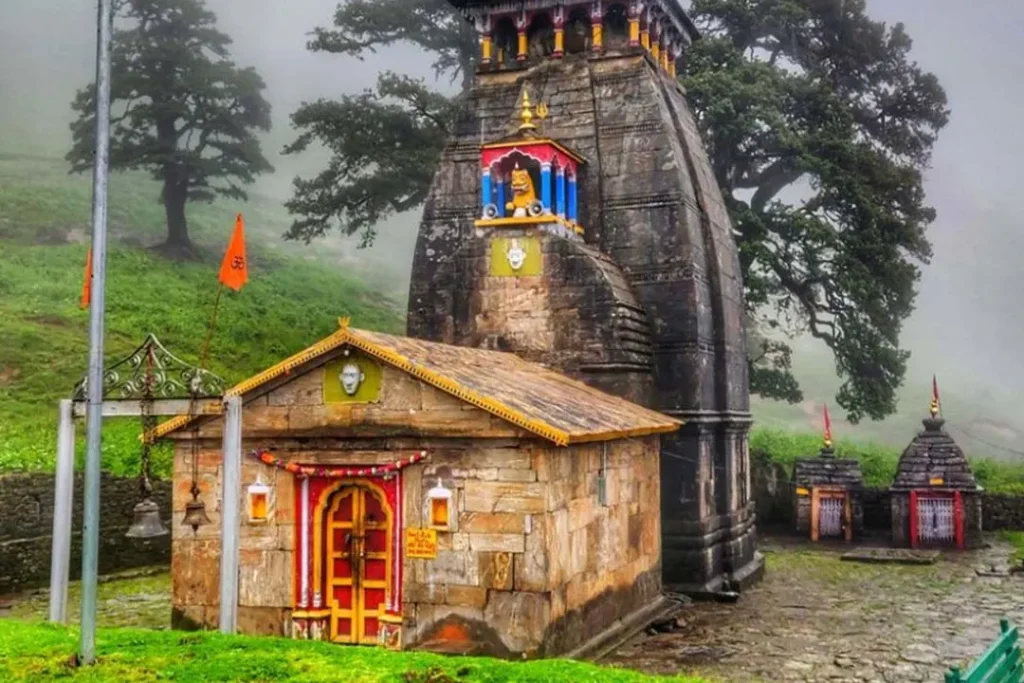
Nestled in the breathtaking heights of Uttarakhand’s Garhwal Himalayas, Madmaheshwar Temple is a revered Shiva shrine and an essential stop on the famous Panch Kedar pilgrimage. Every year, the temple draws devotees and trekkers from across India, but its sacred doors open only for a brief window each year, making it critical for pilgrims to plan their journey with the right dates in mind. What is the Madmaheshwar Temple Closing Date in 2025? The Madmaheshwar Temple will close for the winter season on 20 November 2025. The holy portals will remain shut until the spring of the following year, as the region becomes inaccessible due to heavy snowfall and extreme cold. While most sources confirm the closing date as 20 November 2025, it’s worth noting that, in some years, minor variations may occur based on the temple’s rituals and the Hindu calendar. Nonetheless, mid-to-late November marks the end of darshan for the season. Why Does Madmaheshwar Temple Close in Winter? Madmaheshwar Temple remains open only from late May until November. After opening amid much celebration in May (in 2025, the opening date was 20–21 May), the temple remains accessible for roughly six months. Once winter sets in, the region is blanketed in snow, trekking paths become impassable, and the idol is ceremoniously moved to its winter seat at Omkareshwar Temple, Ukhimath. This ensures continued worship until Madmaheshwar reopens the next year. How to Plan Your Visit Before Closing Ideal Window: Late May to mid-November is the pilgrimage season. Best Months: May–June (pre-monsoon) or September–October (post-monsoon) for pleasant weather and fewer crowds. Avoid: July–August (monsoon, risk of landslides and slippery paths). Advance Planning: Book your accommodation and transport early, as the closing weeks witness a surge in devotees. What Happens During the Closing Ceremony? On the day of temple closure, special pujas and rituals are performed. Devotees gather for a last darshan of the year. The self-manifested Shivling inside the temple is honored before being symbolically sent to its winter sojourn. This ceremony is both emotionally and spiritually significant for pilgrims, marking a cycle of devotion and renewal that culminates in spring. Quick Reference: 2025 Madmaheshwar Temple Dates Event Date Temple Opens 20/21 May 2025 Temple Closes (Confirmed) 20 November 2025 Don’t miss this mystical journey to Madmaheshwar in 2025—plan for a soulful trek and divine blessings before the temple gates close for winter!
जागेश्वर धाम किस नदी के किनारे स्थित है? जानिए इस प्राचीन तीर्थ की पौराणिक महिमा
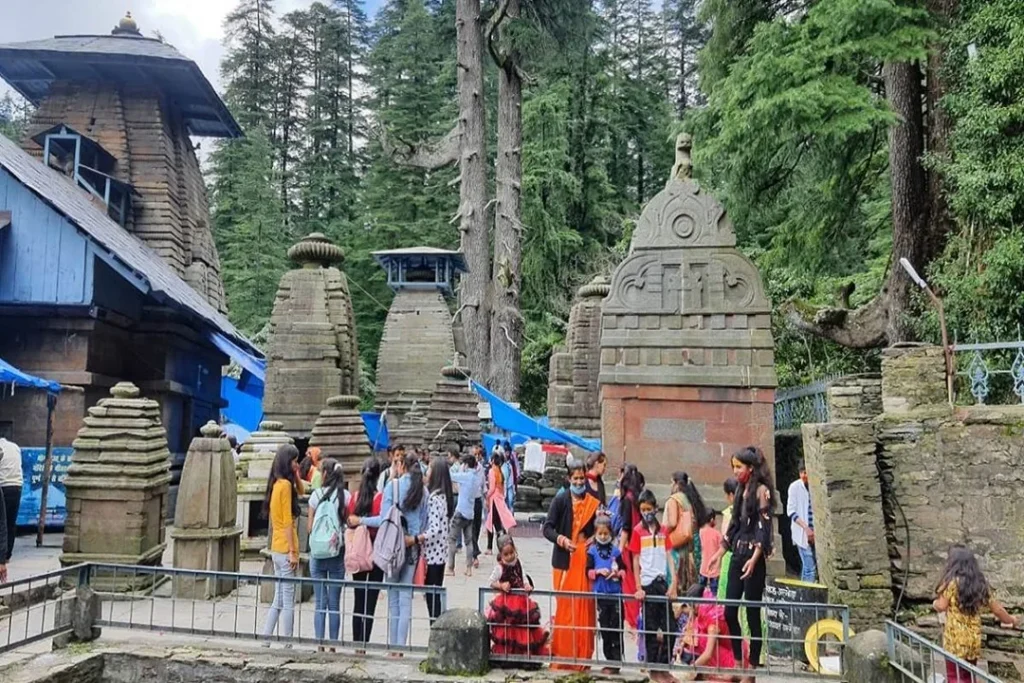
बहुत से लोग जानना चाहते हैं कि जागेश्वर धाम किस नदी के किनारे स्थित है? तो आइए, इस लेख में विस्तार से समझते हैं जागेश्वर धाम की भौगोलिक स्थिति, ऐतिहासिक महत्ता और पौराणिक कथा। जागेश्वर धाम कहाँ स्थित है? जागेश्वर धाम उत्तराखंड राज्य के अल्मोड़ा ज़िले में स्थित है। यह स्थान समुद्र तल से लगभग 1870 मीटर की ऊँचाई पर घने देवदार और चीड़ के जंगलों के बीच बसा हुआ है। यहाँ की वादियाँ और प्राकृतिक वातावरण मन को अद्भुत शांति का अनुभव कराते हैं। किस नदी के किनारे है जागेश्वर धाम? जागेश्वर धाम मंदिर समूह जाता गंगा नदी के किनारे स्थित है। यह नदी हिमालय की गोद से निकलकर इस क्षेत्र को पवित्र बनाती है। कहते हैं कि इस नदी का जल स्वयं में इतना पवित्र है कि इसमें स्नान करने से सारे पाप नष्ट हो जाते हैं और भक्त नई ऊर्जा और पवित्रता का अनुभव करते हैं। जाता गंगा नदी केवल जल का स्रोत नहीं है, बल्कि यह यहाँ के धार्मिक और आध्यात्मिक जीवन का भी अभिन्न हिस्सा है। मंदिरों के चारों ओर से बहती यह नदी जागेश्वर धाम की दिव्यता को और बढ़ा देती है। जागेश्वर धाम का परिचय जागेश्वर धाम को भारत के 12 ज्योतिर्लिंगों में से एक माना जाता है। हालाँकि कुछ पौराणिक मतभेद हैं, लेकिन स्थानीय मान्यता और कई शास्त्रों के अनुसार यहाँ स्वयं भगवान शिव ज्योतिर्लिंग रूप में विराजमान हैं। यहाँ लगभग 124 मंदिरों का समूह है, जिनमें बड़े और छोटे शिव मंदिर शामिल हैं। इन मंदिरों की स्थापत्य कला कुमाऊँ क्षेत्र की प्राचीन शिल्पकला का अद्भुत उदाहरण है। मुख्य मंदिरों में— महामृत्युंजय मंदिर जागनाथ (जागेश्वर) मंदिर दंडेश्वर मंदिर पुस्टी देवी मंदिर चंडिका मंदिर विशेष रूप से महामृत्युंजय मंदिर को अत्यधिक शक्तिशाली और पूजनीय माना जाता है। पौराणिक महिमा पौराणिक कथाओं के अनुसार, जागेश्वर धाम वही स्थान है जहाँ देवताओं ने भगवान शिव की तपस्या की थी। कहा जाता है कि यहाँ भगवान शिव ने स्वयं को “जागेश्वर” अर्थात जगत के ईश्वर के रूप में प्रकट किया। एक कथा के अनुसार, यहाँ पर सप्तऋषियों ने घोर तपस्या की और भगवान शिव उनके सामने प्रकट हुए। दूसरी मान्यता यह है कि यहाँ भगवान शिव ने पार्वती जी को विवाह का प्रस्ताव दिया था। स्कंद पुराण और लिंग पुराण में भी जागेश्वर धाम का उल्लेख मिलता है, जिससे इसकी पौराणिक महत्ता और बढ़ जाती है। स्थापत्य और वास्तुकला जागेश्वर धाम के मंदिर कटी हुई पत्थरों से बने हुए हैं। इन पर की गई नक्काशी और मूर्तियाँ अद्भुत हैं। यहाँ की मूर्तियों में गुप्तकाल और कत्युरी राजाओं के समय की झलक स्पष्ट दिखाई देती है। मंदिरों के शिखर उत्तर भारतीय नागर शैली में बने हैं। सबसे ऊँचे मंदिर का शिखर दूर से ही दिखाई देता है और भक्तों को अपनी ओर आकर्षित करता है। धार्मिक महत्व जागेश्वर धाम को हिंदू धर्म में मोक्षदायी स्थल माना जाता है। यहाँ हर साल हजारों श्रद्धालु दर्शन के लिए आते हैं। विशेषकर श्रावण मास और शिवरात्रि पर यहाँ का वातावरण अत्यंत दिव्य और भक्तिमय हो जाता है। यहाँ की जाता गंगा नदी के पवित्र जल में स्नान कर भक्त मंदिर में पूजा-अर्चना करते हैं। पर्यटन की दृष्टि से महत्व जागेश्वर धाम न केवल धार्मिक दृष्टि से बल्कि पर्यटन की दृष्टि से भी अत्यधिक महत्वपूर्ण है। प्रकृति प्रेमियों के लिए यहाँ का हरियाली से घिरा वातावरण स्वर्ग के समान प्रतीत होता है। इतिहास और संस्कृति के शोधकर्ताओं के लिए यहाँ की वास्तुकला अद्भुत अध्ययन का विषय है। साथ ही यह स्थान ट्रैकिंग और फोटोग्राफी के लिए भी मशहूर है। कैसे पहुँचे जागेश्वर धाम? हवाई मार्ग: निकटतम हवाई अड्डा पंतनगर एयरपोर्ट है, जो लगभग 150 किलोमीटर दूर है। रेल मार्ग: निकटतम रेलवे स्टेशन काठगोदाम है, जहाँ से जागेश्वर धाम लगभग 125 किलोमीटर की दूरी पर है। सड़क मार्ग: अल्मोड़ा से जागेश्वर धाम की दूरी लगभग 36 किलोमीटर है, जहाँ आसानी से टैक्सी और बस उपलब्ध रहती हैं। निष्कर्ष जागेश्वर धाम केवल एक मंदिर नहीं, बल्कि आस्था, इतिहास और संस्कृति का संगम है। जाता गंगा नदी के किनारे बसा यह पावन धाम भक्तों को न केवल आध्यात्मिक शांति देता है, बल्कि यह स्थान हमें भारतीय संस्कृति और परंपरा की गहराई का भी अनुभव कराता है। यदि आप कभी उत्तराखंड की यात्रा पर जाएँ तो जागेश्वर धाम अवश्य जाएँ और यहाँ की दिव्यता को अनुभव करें।
Mahamrityunjay Mandir & Other Must-Visit Temples Nearby

Uttarakhand, known as the “Dev Bhoomi” (Land of Gods), is dotted with ancient temples, each echoing rich mythology and spiritual energy. One such divine gem is the Mahamrityunjay Mandir in Jageshwar, Almora—a serene Himalayan village surrounded by dense deodar forests. At Uttarakhand Tour Travels, we invite you to embark on a sacred journey through this spiritually vibrant region. Let’s explore why Mahamrityunjay Mandir is so revered and what other temples you shouldn’t miss nearby. Mahamrityunjay Mandir, Jageshwar Dedicated to Lord Shiva, the Mahamrityunjay Mandir is one of the oldest and most powerful temples in the Jageshwar temple complex. It is believed that chanting the Mahamrityunjay Mantra here protects devotees from untimely death and brings peace, health, and longevity. Highlights: Carved in ancient Nagara-style architecture Home to the sacred lingam with three faces—a rare form of Shiva A center for Maha Rudra Yajnas and annual Shivratri celebrations Spiritual vibrations are perfect for meditation and healing Jageshwar Dham Temple Complex Just a short walk from Mahamrityunjay Mandir is the famous Jageshwar Dham, housing over 120 stone temples from the 7th to 12th century AD. It is one of the 12 Jyotirlinga sites (as believed by some texts), making it a must-visit for Lord Shiva devotees. Must-See Temples Inside Jageshwar Complex: Jageshwar Mahadev Temple – The main shrine Dandeshwar Temple – The largest temple in the region Chandi-ka-Temple, Kuber Temple, and Surya Temple A peaceful stream flowing through adds charm to your spiritual experience Vriddha Jageshwar (Old Jageshwar) Located about 3 km uphill from the main Jageshwar complex, Vriddha Jageshwar is believed to be the original abode of Lord Shiva before he shifted to the valley below. The trek itself is a scenic journey through pine forests and panoramic views. Why Visit: Mythologically older than Jageshwar Dham Offers mesmerizing views of the Himalayas Ideal for quiet meditation and nature lovers Katarmal Sun Temple About 40 km from Jageshwar, near Almora, lies the stunning Katarmal Surya Mandir, dedicated to the Sun God. Built in the 9th century, it’s the second most important sun temple in India after Konark. What Makes It Unique: Intricate stone carvings and ancient architecture Historical importance with spiritual vibes Offbeat and less crowded—perfect for mindful travel Chitai Golu Devta Temple On your way to or from Jageshwar, don’t miss the Chitai Temple near Almora, dedicated to Golu Devta, the God of justice. Devotees hang bells and written petitions here, asking for justice and wishes. Visitor Experience: Walls covered with thousands of bells and letters Unique and deeply rooted in Kumaoni belief Serene forest surroundings are ideal for a quick spiritual stop Why Book With Uttarakhand Tour Travels? Expert-guided temple tours with local insight Customizable itineraries covering all major spiritual spots Comfortable transport and homestay options Local support and assistance for a hassle-free trip Plan Your Spiritual Journey Today Whether you’re a pilgrim, a spiritual seeker, or a cultural explorer, the temples around Jageshwar offer an unforgettable experience. Let Uttarakhand Tour Travels guide you through these sacred landscapes where the past, present, and divinity merge.
Adventure Thrills 2025: Top Uttarakhand Hotspots for Adrenaline Seekers

Looking for your next adrenaline rush in the lap of the Himalayas? Uttarakhand is calling! Known for its natural beauty and spiritual calm, the state is also a paradise for adventure enthusiasts. Whether you’re into white-water rafting, skiing, trekking, or paragliding, Uttarakhand offers thrilling experiences that go beyond the ordinary. As Uttarakhand Tour Travels, the best tour operator in Uttarakhand, we bring you the ultimate 2025 guide to heart-pounding adventure sports and destinations you must add to your bucket list this year. 1. Rishikesh – India’s Adventure Capital Activities: White-water rafting (Grade I–IV rapids) Bungee jumping (India’s highest at 83 meters) Cliff jumping Kayaking Ziplining Rishikesh continues to be the go-to destination for extreme adventure. The mighty Ganges, gushing from the Himalayas, provides the perfect setting for adventure sports in Uttarakhand. Try the famous Shivpuri-to-Rishikesh rafting stretch for a full-blown adrenaline hit. 2. Auli – Skiing Paradise of the Himalayas Activities: Skiing Snowboarding Chair lift rides Snow treks Winter in Auli is nothing short of magical. With well-maintained ski slopes and professional instructors, it’s ideal for both beginners and experienced skiers. From December to March, snow sports take over this scenic hill station. 3. Chopta – Trekking and Camping in the Mini Switzerland of India Activities: Trekking to Tungnath & Chandrashila Snow camping Rock climbing Perfect for nature lovers who crave action, Chopta offers breathtaking trails and snow-covered peaks in winter. The Tungnath-Chandrashila trek is a must-do, especially for sunrise views from the summit. 4. Nainital & Bhimtal – Paragliding and Water Adventures Activities: Paragliding over Bhimtal Lake Boating & kayaking Rappelling and mountain biking nearby The skies over Bhimtal and Naukuchiatal are buzzing with paragliders every season. Soar like a bird and witness the lakes from above. These lake towns are fast becoming favorites for water-based adventure sports in Uttarakhand. 5. Mukteshwar – Rock Climbing and Rappelling Activities: Rock climbing Rappelling Nature trails and hikes This peaceful hill town near Nainital offers rugged cliffs perfect for climbing and rappelling. Mukteshwar is ideal for adventure travelers who want thrills without the tourist crowds. 6. Tehri Lake – Watersports in the Mountains Activities: Jet skiing Banana boat rides Water zorbing Kayaking Speed boating Nestled among hills, Tehri Lake is a water sports haven. From high-speed jet skis to relaxing kayaks, this destination blends thrill with the tranquility of the mountains. It’s a rising star among Uttarakhand travel agency offerings. 7. Valley of Flowers – Monsoon Trekking Delight Activities: Trekking High-altitude camping Flora photography While not traditionally labeled “adventure sports,” trekking the Valley of Flowers is an unforgettable experience for nature-loving trekkers. This UNESCO World Heritage Site blooms in July-August and challenges your endurance across winding trails and steep ascents. Why Book With Uttarakhand Tour Travels? As the premier tour operator in Uttarakhand, we specialize in crafting thrilling yet safe adventure packages tailored to your needs. Here’s what makes us the preferred Uttarakhand travel agency: Certified adventure activity partners Expert local guides Fully planned, all-inclusive itineraries Safety-first approach for all age groups Customizable group and solo travel options Whether you’re planning a solo trek, a friends’ getaway, or a corporate adventure retreat, Uttarakhand Tour Travels ensures your journey is seamless, exciting, and unforgettable. Final Thoughts Uttarakhand is no longer just for pilgrims and peace seekers. With a rapidly growing infrastructure for adventure tourism and government initiatives supporting sports such as rafting, skiing, and paragliding, 2025 is the ideal year to explore the wild side of Dev Bhoomi. Pack your bags, lace up your boots, and let Uttarakhand Tour Travels craft the ultimate adventure trip for you.
